Global Style Trends Redefining the Way We Dress
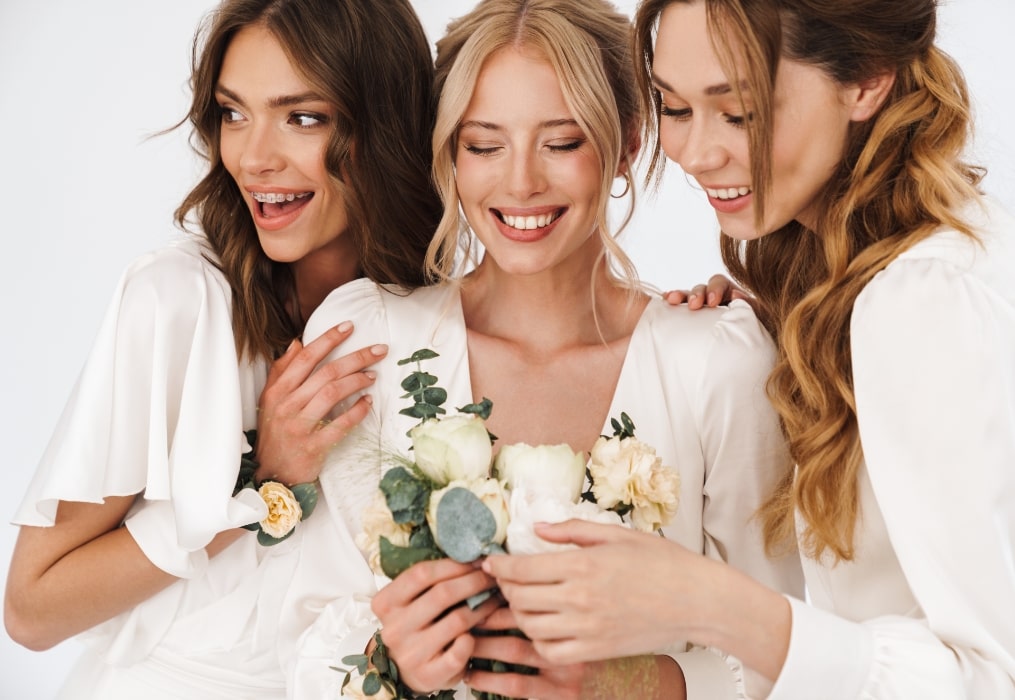

A panoramic view of modern dressing
From bustling street corners in Tokyo to tailored ateliers in Milan, garments carry stories far beyond fabric. Silhouettes travel across borders, absorbing local heritage, workshop techniques and generational codes. Each piece reflects a dialogue between tradition and reinvention, revealing how clothing shapes identity.

Regional style
Creative houses
Garment culture
Responsible wardrobes
Textile traditions rooted in distant provinces now meet digital ateliers producing limited capsule drops within weeks. Artisans weaving linen in rural workshops share shelf space with designers experimenting with recycled polyester threads. Patterns borrowed from heritage costumes find new expression on tailored blazers, oversized shirts and fluid dresses. This constant circulation of ideas transforms wardrobes, blending craftsmanship, urban influences and emerging material science into coherent silhouettes worn from morning routines to evening gatherings across varied climates and cultural contexts.
A structured reading of today’s garment landscape.
Regional style signatures
Street corners, runways and local codes shaping dress
Harajuku layering mixes oversized knitwear with pleated skirts, while Lagos tailors blend ankara prints into structured suiting. Each metropolis develops its own grammar of dress, built around climate, craftsmanship history, textile availability and the daily choreography of urban life.
Nordic minimalism relies on muted palettes and clean tailoring, whereas Caribbean resortwear embraces vivid floral motifs and breathable cotton weaves. These regional codes continuously cross-pollinate through editorial imagery, travel exchanges and workshop collaborations between distant ateliers.
01.
Heritage textiles reinterpreted
02.
Urban silhouettes in motion
Creative houses and signature visions
Ateliers, visionaries and the architecture of collections
Behind every seasonal collection stands a workshop balancing sketches, muslin prototypes and fabric swatches sourced from specialised mills. Pattern cutters translate conceptual drawings into wearable volumes, while embroiderers add hand-finished details on sample garments. Creative directors orchestrate narratives linking colour palettes, cultural references and construction choices. Showrooms then present looks to buyers who assess commercial viability alongside artistic merit. This layered process transforms raw inspiration into coherent lines, carrying distinctive handwriting recognisable across runway shows, lookbooks and retail windows worldwide.
Couture tradition
Hand-stitched gowns constructed over hundreds of hours in specialised workshops
Ready-to-wear
Seasonal collections presented in showrooms balancing wearability and creative vision
Independent labels
Small structures producing limited runs with distinctive handwriting and craft focus
Emerging talents
Graduates launching capsule lines through platforms supporting fresh creative voices
Clothing choices and daily looks
Wardrobe building blocks and the anatomy of outfits

A tailored blazer thrown over a ribbed tank shifts the register of denim trousers from casual to polished. Layering a trench coat above a knitted dress extends seasonal usefulness, while swapping leather loafers for canvas trainers adjusts the tone within seconds. Proportion, colour balance and textural contrast guide the construction of complete looks, allowing identical garments to generate strikingly different silhouettes. Accessories such as belts, scarves and structured bags refine the visual rhythm.
Capsule dressing favours versatile staples: wide-leg trousers, crisp poplin shirts, cashmere pullovers and well-cut outerwear. These pieces rotate through countless combinations, reducing wardrobe fatigue while maintaining personal style coherence. Occasion-specific items, including evening dresses or ceremonial tailoring, complement this base. Understanding fabric behaviour helps anticipate how garments drape, crease and age, informing choices between structured wool, fluid viscose, breathable linen or technical performance blends adapted to varied activities.
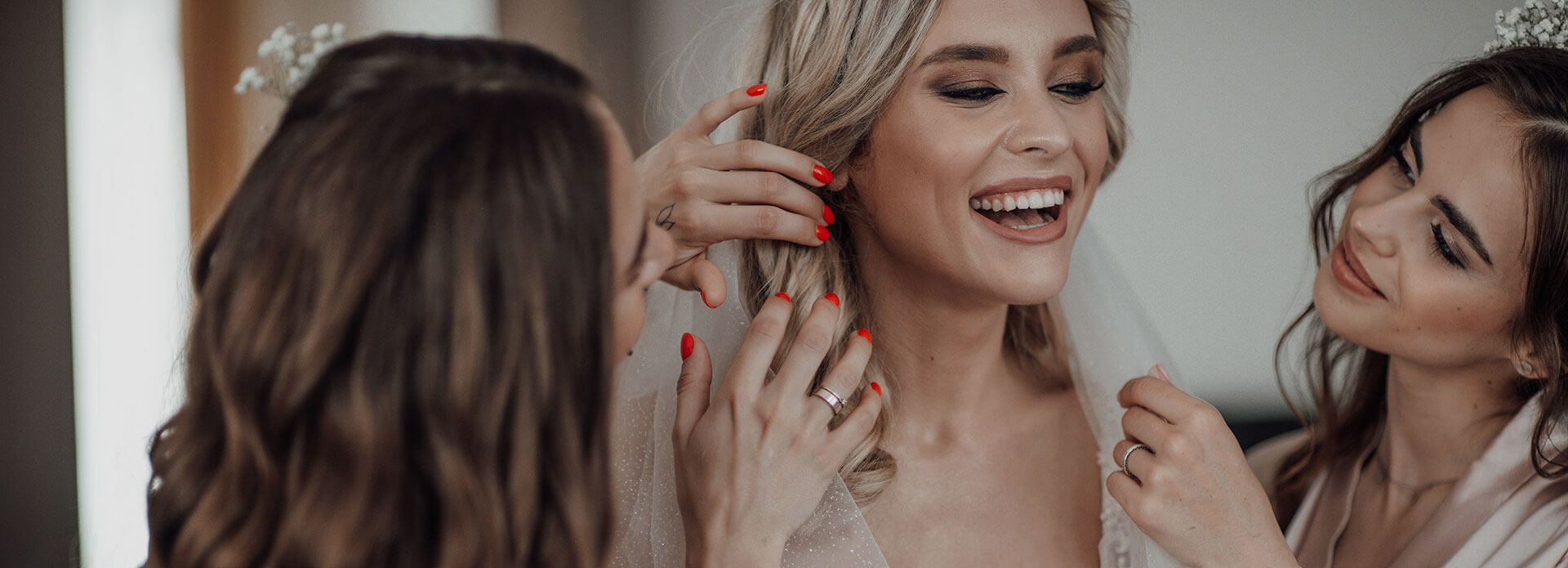
Fashion within wider society
Garments as cultural signals and collective conversations
Clothing communicates affiliation, aspiration and historical moment. Subcultures adopt specific silhouettes that outsiders later reinterpret, while mainstream trends absorb ideas born on music scenes, sports fields and political movements, reshaping collective visual language.
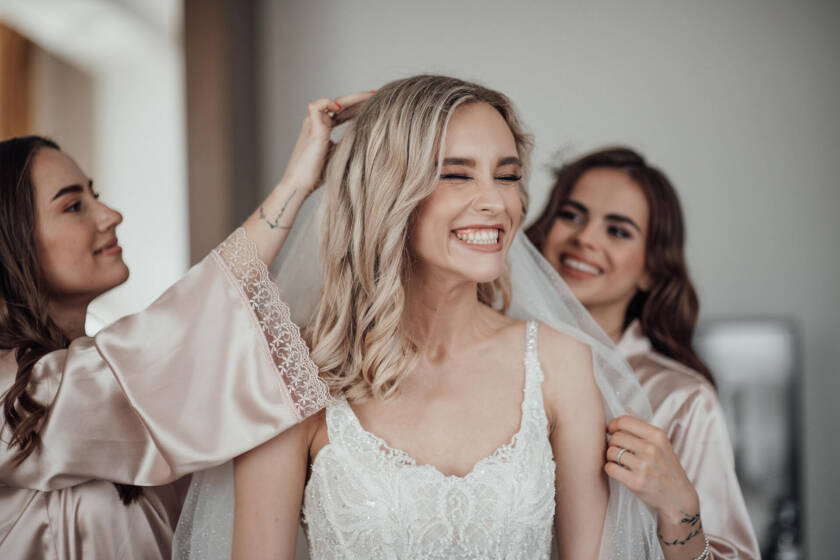
Movements influencing contemporary dress
Exploring the cultural movements, creative influences and evolving trends shaping contemporary fashion and dress.

Workwear heritage entering urban rotations
Dungarees, chore jackets and reinforced trousers migrate from industrial yards into daily city wardrobes.
Sportswear codes reshaping formal silhouettes